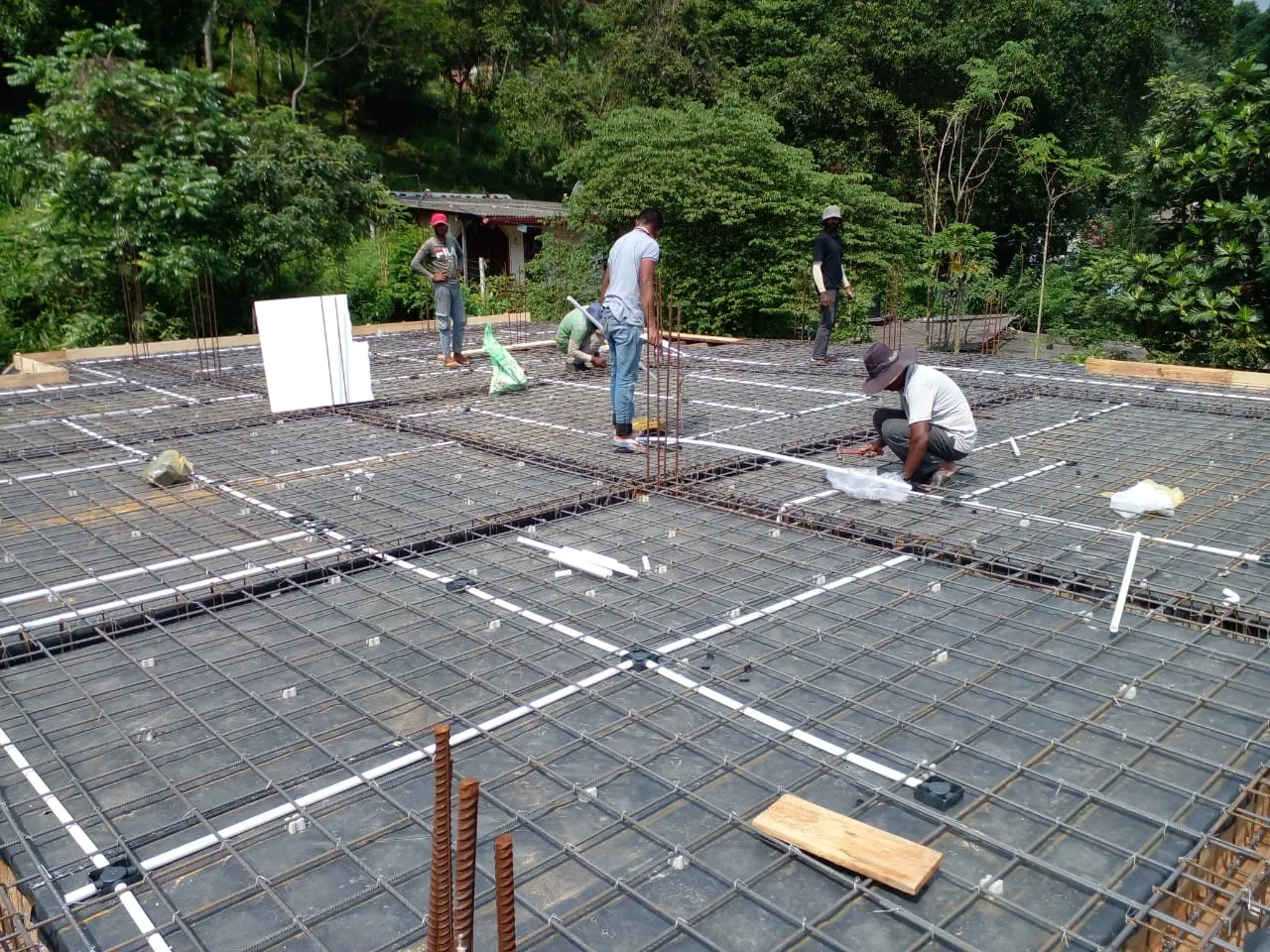
Industrial and Warehouse Construction Services
Sri Lanka's industrial sector is expanding rapidly. From agricultural processing centres in the North Central Province to garment factories along the Western corridor and logistics warehouses serving the growing e-commerce market, there is a strong and growing demand for well-built industrial structures. Whether you need a simple storage warehouse, a temperature-controlled cold room, a vehicle workshop, or a full-scale manufacturing facility, the quality of your building directly impacts your operational efficiency, safety, and long-term costs.
At Unicon Construction, we bring the same attention to structural quality and transparent pricing that has defined our residential work to the industrial and commercial building sector. Based in Matale with active projects across the Central and North Western provinces, we handle warehouse and factory construction from initial site survey through to final handover. Our team includes experienced civil engineers, skilled masons, and steel fabrication specialists who understand the unique demands of industrial structures — from heavy-load floor slabs and wide clear-span roofing to proper drainage, ventilation, and fire safety.
If you are a business owner planning to build a warehouse, factory, or workshop anywhere in Sri Lanka, this page covers everything you need to know about construction methods, costs, permits, and timelines to help you make an informed decision.
Types of Industrial Buildings We Construct
Industrial construction is not one-size-fits-all. The structure you need depends entirely on what it will be used for. Unicon Construction has experience building a wide range of industrial and commercial building types:
Storage Warehouses
General-purpose storage for goods, raw materials, and finished products. Clear-span designs for maximum usable floor area with no internal columns.
Factories & Manufacturing
Purpose-built factories with reinforced floors for heavy machinery, proper ventilation systems, and layouts optimised for production workflows.
Workshops & Garages
Vehicle repair workshops, carpentry shops, and mechanical garages with roller shutter access, pit foundations, and heavy-duty flooring.
Cold Rooms & Cold Storage
Insulated cold storage facilities for perishable goods, seafood, dairy, and pharmaceuticals with proper vapour barriers and thermal insulation.
Showrooms & Retail Spaces
Commercial showrooms for vehicles, furniture, building materials, and equipment with attractive facades and customer-friendly layouts.
Distribution Centres
Logistics and distribution hubs with loading docks, truck access bays, office spaces, and multi-level racking system support.
Each building type has different structural requirements, floor load capacities, height clearances, and regulatory considerations. During our initial consultation, we assess your operational needs and design a structure that fits your business — not a generic template.
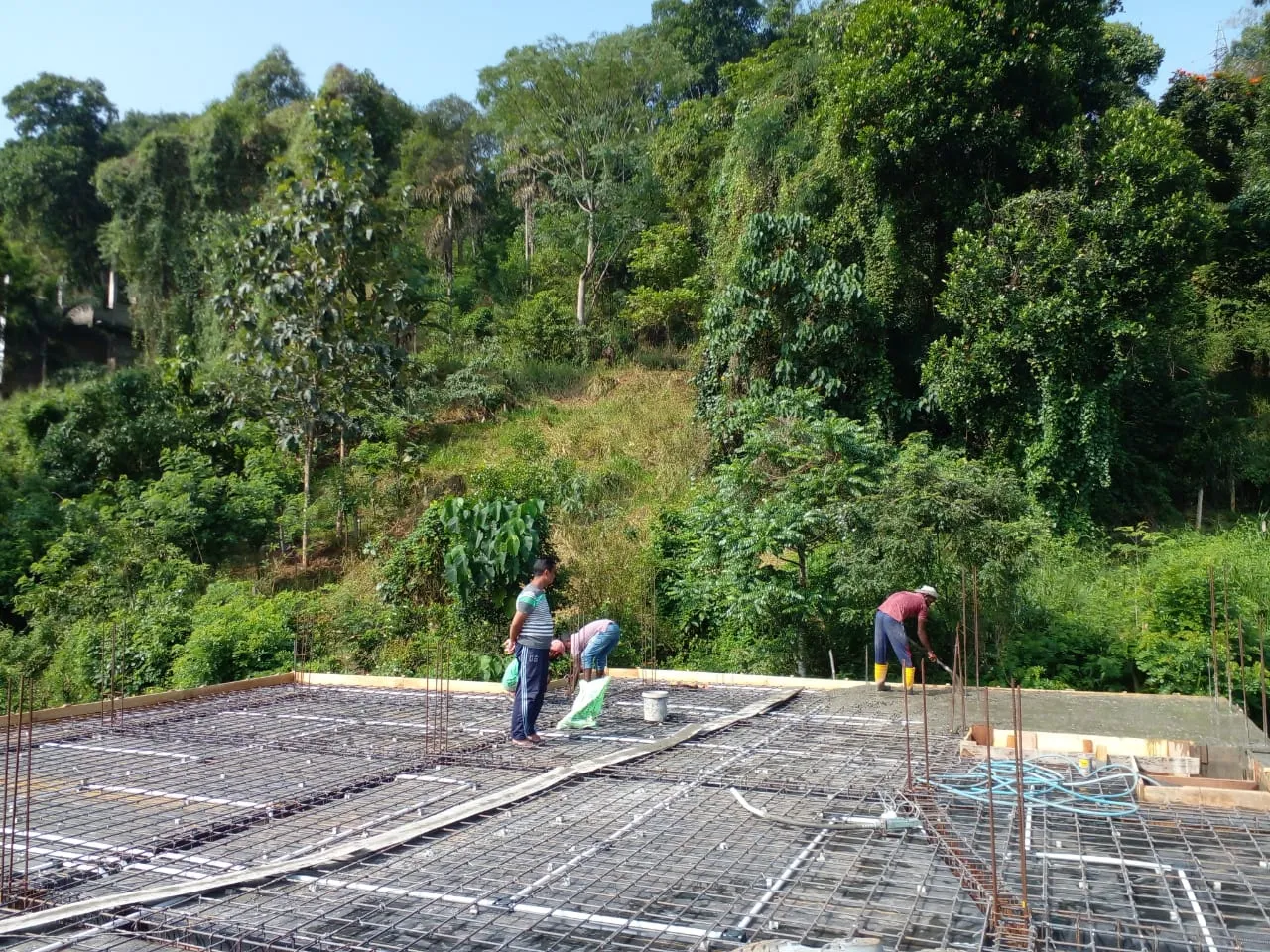
Construction Methods: Concrete vs Steel vs Hybrid
The choice of construction method is one of the first and most important decisions you will make when planning a warehouse or factory. Each method has distinct advantages depending on your budget, timeline, building size, and intended use. Here is a detailed comparison of the three main approaches used in Sri Lanka.
Conventional Reinforced Concrete
Reinforced concrete (RC) construction uses concrete columns, beams, and slabs with embedded steel reinforcement bars. This is the most common building method in Sri Lanka and is well-suited for industrial structures that require exceptional durability, fire resistance, and the ability to support heavy loads.
- Best for: Multi-storey industrial buildings, structures supporting heavy overhead cranes or machinery, buildings in corrosive environments (near coast or chemical processing), and any facility where fire rating is critical.
- Typical span: 6 to 12 metres between columns without pre-stressed elements.
- Timeline: Slower to construct due to formwork, curing times, and sequential construction stages.
- Lifespan: 50 to 100+ years with minimal maintenance.
Steel Frame Construction
Pre-fabricated or site-fabricated steel portal frames are bolted or welded together to form the structural skeleton. Metal sheet cladding (zinc-aluminium or colour-bonded) is fixed to the steel frame for walls and roofing. This method is increasingly popular in Sri Lanka for industrial buildings due to its speed and cost efficiency.
- Best for: Large clear-span warehouses (up to 30m+ without internal columns), quick-build projects, agricultural stores, and temporary or expandable structures.
- Typical span: 12 to 30+ metres with portal frame design.
- Timeline: 30 to 40% faster than reinforced concrete. Steel members can be fabricated off-site while foundations are being prepared.
- Lifespan: 30 to 50 years, depending on coating quality and maintenance. Hot-dip galvanised steel lasts longer in humid conditions.
Hybrid Construction (Concrete + Steel)
The hybrid approach combines the best of both methods. Reinforced concrete is used for foundations, ground-floor columns, and any load-bearing walls, while steel trusses and purlins form the roof structure. This is the most common method for medium to large warehouses in Sri Lanka and offers an excellent balance of durability, cost, and construction speed.
- Best for: Most warehouse and factory projects in Sri Lanka. Provides a solid, fire-resistant base structure with a cost-effective, wide-span steel roof.
- Typical span: Depends on steel truss design — commonly 15 to 25 metres.
- Timeline: Moderate — faster than full RC but slightly slower than full steel frame.
Side-by-Side Comparison
| Factor | Reinforced Concrete | Steel Frame | Hybrid |
|---|---|---|---|
| Cost per sqft | Rs. 5,500 - 10,000 | Rs. 3,500 - 7,000 | Rs. 4,500 - 8,500 |
| Construction speed | Slowest | Fastest | Moderate |
| Clear span | 6-12m | 12-30m+ | 15-25m |
| Fire resistance | Excellent | Poor (needs coating) | Good (concrete base) |
| Corrosion resistance | High | Requires treatment | Good |
| Durability | 50-100+ years | 30-50 years | 40-60+ years |
| Future expansion | Difficult | Easy to extend | Moderate |
| Best use case | Multi-storey, heavy loads | Large warehouses, quick builds | Most warehouse/factory |
Unicon Construction will recommend the most suitable method after assessing your site, budget, and building requirements. In many cases, the hybrid approach offers the best value for warehouse and factory projects in Sri Lanka.
Warehouse Construction Cost Guide (2026)
Understanding the cost of warehouse construction helps you plan your budget realistically and avoid surprises during the build. Costs vary significantly based on building size, construction method, floor type, and the level of finishing required. Below is a comprehensive breakdown of current warehouse construction costs in Sri Lanka.
Cost Per Square Foot by Building Type
| Building Type | Cost Per Sqft | What's Included |
|---|---|---|
| Basic Steel Warehouse | Rs. 3,500 - 5,500 | Steel portal frame, metal sheet roofing and cladding, concrete strip foundation, compacted earth or gravel floor, basic electrical |
| Standard Warehouse | Rs. 5,500 - 8,000 | Hybrid structure (concrete + steel roof), hardened concrete floor, roller shutter doors, loading dock, full electrical and plumbing, ventilation |
| Industrial Factory | Rs. 7,000 - 10,000 | Reinforced concrete or hybrid, heavy-duty industrial floor, machinery foundations, three-phase electrical, compressed air lines, drainage systems |
| Cold Storage Facility | Rs. 8,000 - 12,000+ | Insulated panels, vapour barriers, refrigeration system ready, sealed flooring, temperature monitoring provisions, loading bay with dock seal |
Estimated Total Cost by Warehouse Size
The following estimates assume a standard hybrid construction (concrete + steel) with a hardened concrete floor and basic fit-out. Figures include foundation, structure, roofing, flooring, electrical, plumbing, and roller shutter doors.
| Warehouse Size | Floor Area | Estimated Cost (Standard) |
|---|---|---|
| Small storage unit | 2,000 sqft | Rs. 11M - 16M |
| Medium warehouse | 5,000 sqft | Rs. 27.5M - 40M |
| Large warehouse | 10,000 sqft | Rs. 55M - 80M |
| Industrial facility | 15,000+ sqft | Rs. 82.5M+ |
These are indicative figures and can vary based on soil conditions, site accessibility, proximity to material suppliers, and specific requirements like fire suppression systems or specialised flooring. Use our online cost calculator to get a quick initial estimate, or contact us for a detailed, no-obligation BOQ tailored to your project.
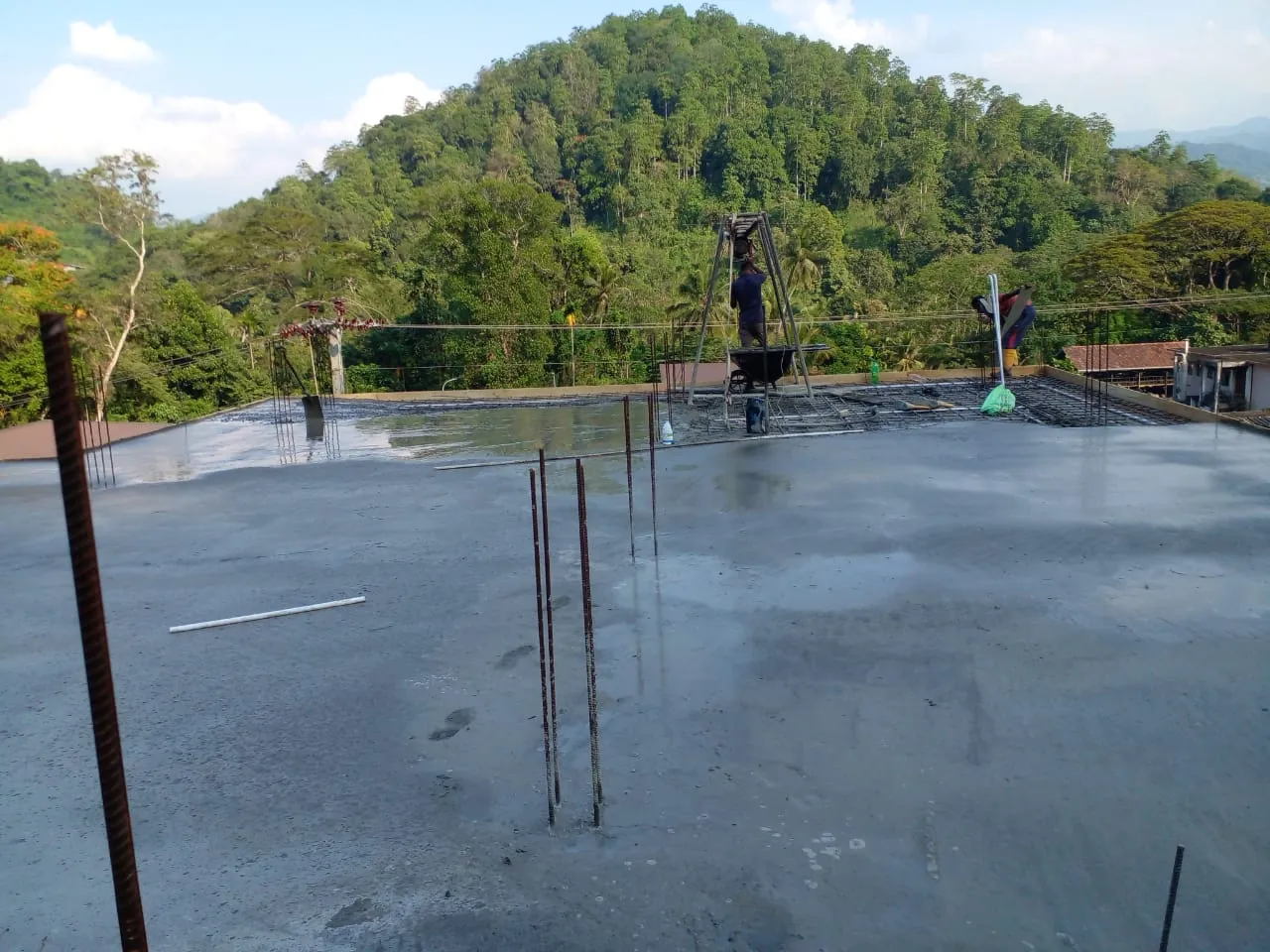
Industrial Zone Regulations and Permits in Sri Lanka
Building a warehouse or factory in Sri Lanka involves several regulatory requirements that vary depending on the location, type of industry, and scale of the project. Understanding these requirements before you purchase land or begin design work can save you months of delays and significant costs.
Building Permits
Every industrial building requires a construction permit from the relevant local authority — either the Municipal Council, Urban Council, or Pradeshiya Sabha where the land is located. The application requires:
- Completed application form from the local authority
- Certified copy of the land deed
- Survey plan prepared by a licensed surveyor
- Architectural drawings (floor plans, elevations, sections, site plan)
- Structural drawings certified by a chartered civil engineer
- Fire safety plan for buildings over 500 sqm or with hazardous storage
- Drainage and sewerage plan
- Approval fee (typically Rs. 25,000 to Rs. 150,000 depending on building size)
Environmental Protection Licence (EPL)
If your industrial operation involves manufacturing, chemical processing, food production, or any activity that generates emissions, effluent, or solid waste, you need an Environmental Protection Licence from the Central Environmental Authority (CEA). The EPL application is assessed based on the type and scale of your operation. Category A (high impact) industries require a full Environmental Impact Assessment (EIA), while Category B operations need an Initial Environmental Examination (IEE).
Board of Investment (BOI) Zones
Sri Lanka has several BOI export processing zones and industrial parks that offer significant advantages for businesses, including:
- Streamlined permit approvals through a single-window process
- Tax incentives including corporate tax holidays and import duty exemptions on machinery
- Ready-made infrastructure (roads, utilities, drainage) within the zone
- Security and common facilities
Major BOI zones accessible from the Central and North Western provinces include the Pallekele Industrial Estate (near Kandy), Mawathagama zone, and the Kurunegala industrial corridor along the A6 highway. If your project qualifies for BOI approval, the investment approval process typically takes 4 to 8 weeks.
Factory Registration
Any building used for manufacturing or assembly with five or more workers must be registered as a factory with the Department of Labour under the Factories Ordinance. This involves a site inspection to verify compliance with safety standards, including adequate ventilation, lighting, emergency exits, sanitary facilities, and fire safety measures.
Unicon Construction assists clients with the full documentation and submission process for building permits, and we can coordinate with environmental consultants for EPL applications. Our structural and architectural drawings are prepared to meet local authority standards, reducing the risk of rejections and resubmissions.
Typical Project Timelines
Industrial construction timelines depend on the building size, construction method, site conditions, and permit processing times. Below are realistic timeline estimates for warehouse and factory projects in Sri Lanka, assuming permits are already in hand.
| Project Type | Size Range | Estimated Duration |
|---|---|---|
| Small steel warehouse | 2,000 - 3,000 sqft | 2 - 3 months |
| Medium hybrid warehouse | 5,000 - 10,000 sqft | 4 - 6 months |
| Large factory / warehouse | 10,000 - 20,000 sqft | 6 - 10 months |
| Cold storage facility | 3,000 - 8,000 sqft | 5 - 8 months |
| Multi-building complex | 20,000+ sqft | 10 - 14 months |
Add 4 to 12 weeks for the permit and design phase before construction begins. Unicon Construction provides a detailed project schedule with milestone dates at the start of every project, and we share regular progress updates via WhatsApp so you always know where things stand.
Why Choose Unicon for Your Industrial Project
Industrial construction requires a different skill set from residential building. You need a contractor who understands structural engineering for wide-span roofs, heavy-load floors, industrial drainage, and fire safety — not just someone who can build walls and lay tiles. Here is what sets Unicon Construction apart for warehouse and factory projects:
- Concrete expertise: Our core strength is reinforced concrete construction. We build foundations and structural elements that meet the load requirements of industrial operations, from forklift-rated floors to crane beam supports.
- End-to-end project management: From site survey and soil testing through structural design, permit applications, construction, and final handover, you deal with one team. No subcontractor finger-pointing.
- Transparent pricing: Every project starts with a detailed BOQ (Bill of Quantities). You see the cost of every cubic metre of concrete, every tonne of steel, and every square metre of roofing. No lump-sum guesswork.
- Engineering-led approach: Our designs are prepared and certified by qualified structural engineers. This is not optional for industrial buildings — it is essential for safety, insurance, and regulatory compliance.
- Local presence: Based in Matale with active projects across Kurunegala, Kandy, Dambulla, and Matale, we can respond quickly and supervise your project closely.
- Proven track record: Visit our project gallery to see real examples of our completed structural work, including reinforced concrete slabs, heavy foundations, and large-scale building projects.
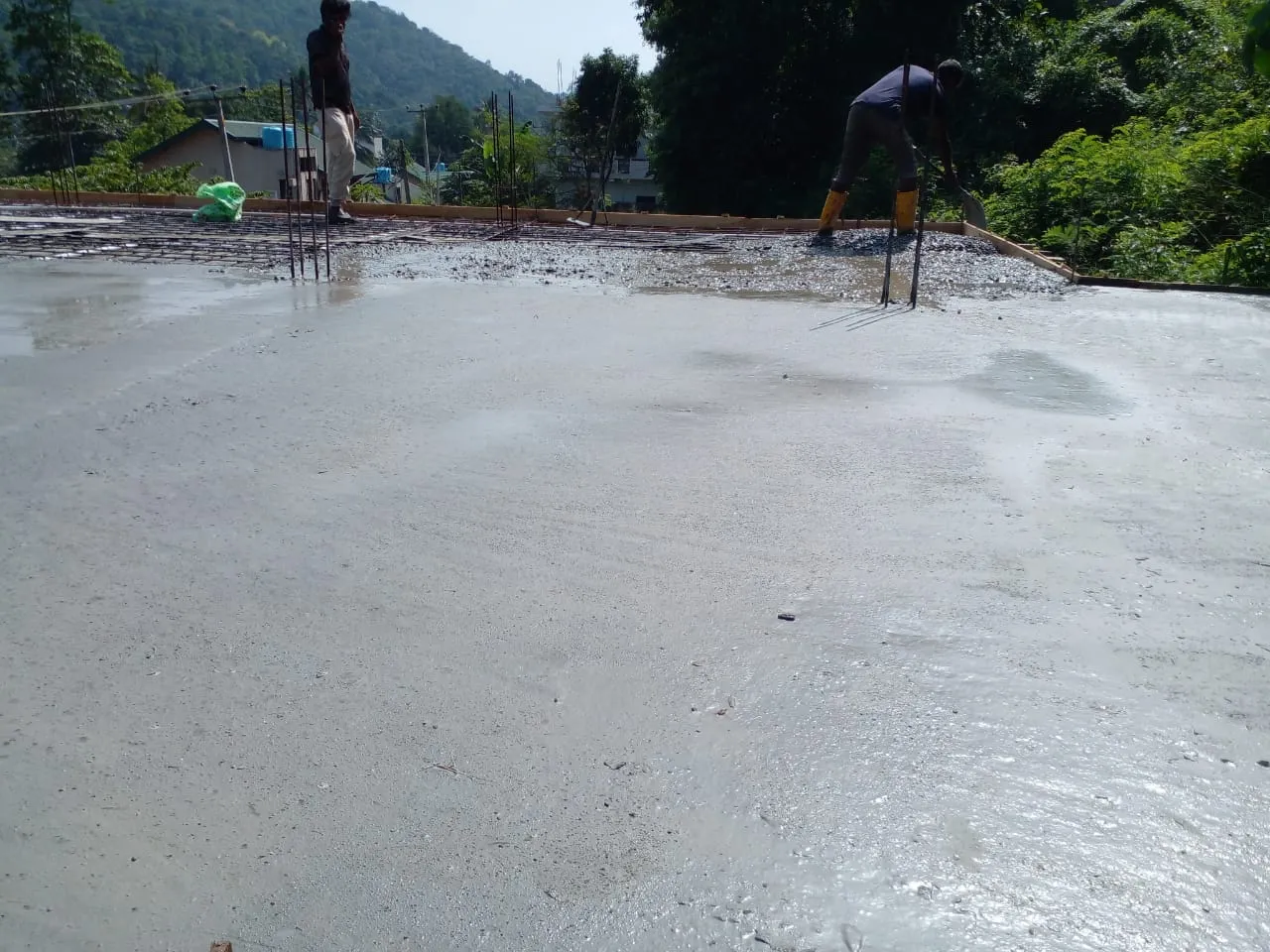
Areas We Serve for Industrial Construction
Unicon Construction serves all major industrial areas in the Central and North Western provinces of Sri Lanka. Our strategic location in Matale puts us within easy reach of the key industrial corridors:
- Kurunegala District — The North Western Province's industrial hub with growing demand for warehouses, garment factories, and agricultural processing facilities. Key areas include Kurunegala town, Mawathagama industrial zone, and the Ibbagamuwa corridor.
- Matale District — Our home base, serving the Matale industrial area, Ukuwela, Galewela, and Naula. Strong demand for agricultural storage and small manufacturing workshops.
- Dambulla — Sri Lanka's largest wholesale trading hub. Warehouses and cold storage facilities are in high demand near the Dambulla Economic Centre.
- Kandy District — Including the Pallekele Industrial Estate, Peradeniya, and Katugastota. Limited industrial land but demand for workshops and small factories.
- Colombo Suburbs — We undertake selected projects in Colombo's industrial zones for clients who value our quality and pricing transparency.
If your site is outside these areas, contact us to discuss. We regularly assess new project locations and can mobilise our team for projects across Sri Lanka.
Related Services
If your project involves more than just warehouse construction, explore our related commercial and speciality building services:
Frequently Asked Questions About Warehouse & Industrial Construction
How much does it cost to build a warehouse in Sri Lanka in 2026?
Warehouse construction costs range from Rs. 3,500 to 5,500 per sqft for a basic steel-frame warehouse, Rs. 5,500 to 8,000 per sqft for a standard hybrid structure with finished flooring and loading docks, and Rs. 8,000 to 12,000+ per sqft for fully insulated or climate-controlled industrial facilities. A typical 5,000 sqft warehouse costs approximately Rs. 17.5 to 40 million depending on the specification. Contact us for a free, detailed BOQ estimate.
Which is better for a warehouse: steel frame or concrete?
Steel frame construction is faster to build (30-40% quicker), lighter, and ideal for large clear-span warehouses up to 30 metres wide without internal columns. Reinforced concrete is more durable against fire and corrosion, offers better thermal mass, and is preferred for multi-storey industrial buildings or structures supporting heavy machinery. Most Sri Lankan warehouses use a hybrid approach — concrete foundations and columns with a steel roof truss — which gives you the best of both methods.
What permits do I need to build a factory or warehouse in Sri Lanka?
You need a building permit from the relevant local authority (Municipal Council or Pradeshiya Sabha), an Environmental Protection Licence from the Central Environmental Authority if your operation generates emissions or waste, and factory registration from the Department of Labour. BOI zone projects benefit from a streamlined single-window approval process. Unicon Construction assists with all permit documentation.
How long does it take to build a warehouse in Sri Lanka?
A small steel-frame warehouse (2,000-3,000 sqft) can be completed in 2 to 3 months. A medium hybrid warehouse (5,000-10,000 sqft) takes 4 to 6 months. Large industrial facilities over 10,000 sqft typically take 6 to 10 months. Add 4 to 12 weeks for the design and permit phase before construction begins.
Can Unicon build warehouses with heavy machinery foundations?
Yes, we have experience building industrial floors and foundations designed for heavy machinery and high point loads. We work with structural engineers to design reinforced concrete pad foundations, machine bases with vibration isolation, and heavy-duty industrial floor slabs rated for forklift traffic and multi-tier storage racking systems.
What areas does Unicon serve for industrial construction?
We serve all major industrial areas in Sri Lanka's Central and North Western provinces, including Kurunegala, Matale, Dambulla, Kandy, and surrounding districts. We also take on selected projects in Colombo suburbs and along major highway corridors. Contact us to discuss your project location.
Do I need an Environmental Protection Licence for my warehouse?
An EPL from the Central Environmental Authority is required if your warehouse or factory involves manufacturing, chemical storage, food processing, or any activity generating emissions, effluent, or waste. A simple dry goods storage warehouse typically does not require an EPL, but it is advisable to confirm with the CEA or with us before construction begins.
What is the minimum clear height for a warehouse?
Clear height depends on the warehouse purpose. General storage typically needs 4.5 to 6 metres. Multi-tier racking systems require 8 to 10 metres. Cold storage generally needs 5 to 7 metres. Unicon designs each warehouse to match your specific storage, operations, and equipment requirements.
Can I build a warehouse on agricultural land?
Converting agricultural land for industrial use requires approval from the Divisional Secretariat and the Land Use Policy Planning Department. This process can take 3 to 6 months. Unicon Construction can guide you through the process and advise on land suitability before you purchase a plot, saving you time and money.
Does Unicon offer turnkey warehouse construction?
Yes, we provide full turnkey services covering site survey, soil testing, architectural and structural design, permit applications, foundation and structural work, roofing and cladding, industrial flooring, electrical and plumbing, roller shutter doors, and final handover. You deal with one team from start to finish with no subcontractor coordination required on your part.
Construction Services by Location
Helpful Guides for Your Project
Ready to Build Your Warehouse or Factory?
Get a free site inspection and detailed BOQ estimate. Chat with our team on WhatsApp — no obligation, no pressure.
WhatsApp Us Now