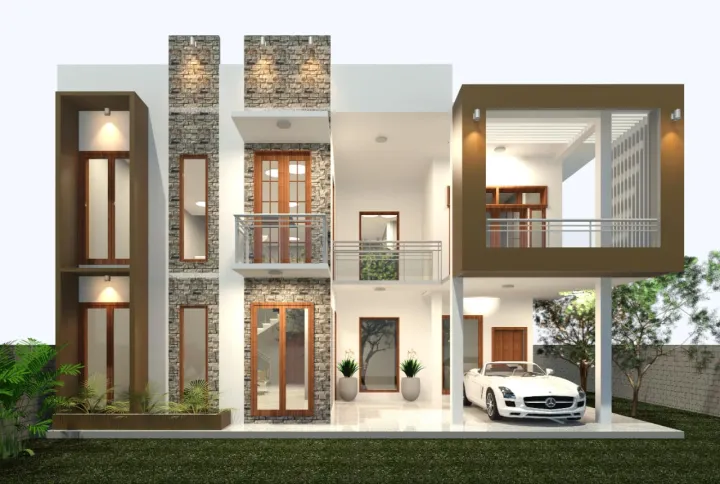
Building Your Dream Home in Kandy, Sri Lanka
Kandy is the cultural capital of Sri Lanka and a UNESCO World Heritage City, known for its rich history, cooler hill country climate, and stunning natural surroundings. Nestled in the Central Province at an elevation of over 500 metres, Kandy offers a unique living experience that blends heritage charm with modern convenience. For families looking to build a home in a city that has excellent schools, reputable hospitals, and a thriving cultural scene, Kandy remains one of the most desirable locations on the island.
Over the past decade, the suburbs of Kandy have seen significant residential growth. Areas like Peradeniya, Katugastota, Kundasale, and Pilimatalawa are attracting new homeowners who want the benefits of Kandy's infrastructure without the congestion of the city centre. With improved road connectivity, including the Kandy-Colombo expressway development, the region is becoming even more accessible for commuters and investors alike.
However, building a house in Kandy comes with its own set of challenges that differ from construction in the lowland areas. The hilly terrain, stricter urban development regulations, and unique soil conditions all require careful planning and an experienced contractor who understands the local landscape. This guide covers everything you need to know about building a home in Kandy and the surrounding areas.
Why Kandy Is a Popular Choice for Home Building
There are several compelling reasons why families choose to build their homes in the Kandy District:
- Cooler hill country climate: Kandy's average temperature ranges between 19-28 degrees Celsius, significantly cooler than Colombo or the dry zone. This means lower air conditioning costs and a more comfortable year-round living environment.
- Education hub: Kandy is home to some of the best schools in the country, including Trinity College, Mahamaya Girls' College, Dharmaraja College, and the University of Peradeniya. Families with children find the educational options unmatched outside Colombo.
- Healthcare facilities: The Kandy General Hospital is one of the largest in Sri Lanka, complemented by several private hospitals and specialist clinics in the city.
- Cultural significance: Living near the Temple of the Tooth Relic and the vibrant Kandy Esala Perahera tradition gives residents a deep connection to Sri Lankan heritage.
- Natural beauty: Surrounded by lush green hills, the Royal Botanical Gardens in Peradeniya, and the Mahaweli River, Kandy offers a quality of life that is hard to find elsewhere.
- Growing property values: As demand for residential land increases and the city expands into surrounding suburbs, property values in the Kandy District have shown consistent appreciation.
Construction Challenges Unique to Kandy
While Kandy is an excellent place to build a home, you need to be aware of the specific challenges that come with construction in the hill country:
Hilly and Sloped Terrain
Most land plots in and around Kandy are on slopes or hillsides. This means your construction will likely need retaining walls, cut-and-fill earthwork, and deeper foundations compared to building on flat ground. Foundation costs on sloped land can be 15-25% higher than on flat terrain. A proper geotechnical assessment before purchasing land is strongly recommended.
Narrow Access Roads
Many residential areas in Kandy, particularly in older neighbourhoods and hillside locations, have narrow access roads. This can make it difficult to transport heavy materials like concrete, steel, and sand to the construction site. Your contractor needs to plan logistics carefully, sometimes using smaller vehicles that increase transport costs.
Stricter UDA Regulations
The Urban Development Authority enforces stricter building regulations within the Kandy Urban Area compared to most other cities. There are height restrictions, setback requirements, and aesthetic guidelines designed to protect the heritage character of the city, especially near the Kandy Lake and Temple of the Tooth precinct. These regulations can limit building height and floor area, so it is essential to check UDA guidelines before finalising your house plans.
Weather Considerations
Kandy receives rainfall from both monsoon seasons, with the heaviest rain between October and January. Annual rainfall can exceed 2,000mm. Construction scheduling needs to account for these wet periods, as heavy rain delays concrete work, excavation, and roof installation. The ideal time to begin construction in Kandy is between February and April or July and September.
Higher Material Transport Costs
Since Kandy is located in the hill country, transporting heavy building materials from suppliers in the lowlands costs more. Sand, aggregates, and certain specialised materials may carry a premium of 5-10% compared to prices in Colombo or Kurunegala.
House Construction Costs in Kandy (2026)
Construction costs in Kandy are slightly higher than the national average due to the terrain challenges and transport costs mentioned above. Here is the current cost per square foot breakdown:
| Finish Level | Cost Per Sqft (2026) |
|---|---|
| Basic Finish | Rs. 6,000 - 8,000 |
| Mid-Range Finish | Rs. 9,000 - 13,000 |
| Luxury Finish | Rs. 14,000 - 22,000+ |
These figures include labour, materials, and standard site preparation. For sloped sites that require retaining walls and additional earthwork, add 15-25% to the foundation budget.
Estimated Total Cost by House Size
| House Size | Basic Finish | Mid-Range Finish | Luxury Finish |
|---|---|---|---|
| 800 sqft | Rs. 48-64 Lakhs | Rs. 72 Lakhs - 1.04 Cr | Rs. 1.12 - 1.76 Cr |
| 1,200 sqft | Rs. 72-96 Lakhs | Rs. 1.08 - 1.56 Cr | Rs. 1.68 - 2.64 Cr |
| 1,500 sqft | Rs. 90 Lakhs - 1.2 Cr | Rs. 1.35 - 1.95 Cr | Rs. 2.1 - 3.3 Cr |
| 2,000 sqft | Rs. 1.2 - 1.6 Cr | Rs. 1.8 - 2.6 Cr | Rs. 2.8 - 4.4 Cr |
| 3,000 sqft | Rs. 1.8 - 2.4 Cr | Rs. 2.7 - 3.9 Cr | Rs. 4.2 - 6.6 Cr |
For a detailed national comparison and breakdown by work category, read our complete 2026 house building cost guide.
Building Permits and Approvals in Kandy
Obtaining building permits in Kandy can be more involved than in rural areas. Here is what you need to know:
Kandy Municipal Council Area
- All construction within the Kandy Municipal Council limits requires a building permit issued by the council
- The Urban Development Authority (UDA) has overlapping jurisdiction in Kandy and enforces additional guidelines on building height, setbacks, plot coverage, and aesthetic standards
- Construction near the Kandy Lake, Temple of the Tooth, and other heritage sites is subject to special restrictions to protect the UNESCO World Heritage status
- You need an approved building plan prepared by a chartered architect or licensed engineer
- Processing time is typically 6-10 weeks, longer than most other cities due to the additional UDA review
Surrounding Pradeshiya Sabha Areas
- For areas like Kundasale, Katugastota (outside municipal limits), Pilimatalawa, and Gampola, permits are issued by the respective Pradeshiya Sabha
- UDA regulations may still apply if the area falls within a declared Urban Development Area
- Processing is generally faster, taking 4-6 weeks
- For plots on steep slopes, a geological clearance or geotechnical report may be required
At Unicon Construction, we handle the entire permit process for our clients, from preparing building plans to submitting applications and following up with the local authority until approval is granted.
Areas We Serve Around Kandy
Unicon Construction serves the entire Kandy District and surrounding areas. Our base in nearby Matale gives us excellent access to all parts of the region. Here are the key areas we cover:
- Kandy City: Central Kandy, Bahirawakanda, Asgiriya, Hantana, Anniwatta
- Peradeniya: A popular residential area close to the University of Peradeniya and the Royal Botanical Gardens
- Katugastota: A rapidly growing suburb north of Kandy with better land availability and prices
- Kundasale: An expanding residential zone on the eastern side of Kandy with good road connectivity
- Pilimatalawa: Located along the Colombo-Kandy road, offering convenient access to both cities
- Gampola: A town south of Kandy with affordable land and growing residential development
- Kadugannawa: Scenic hill country location along the main Colombo-Kandy route
- Digana & Teldeniya: Eastern suburbs with larger land plots and quieter surroundings
Our Construction Services in Kandy
3D House Design
Visualise your Kandy home before construction begins with detailed 3D renderings and floor plans tailored to hill country terrain
Full Construction
Complete house building from foundation to finishing, managed by experienced engineers who understand Kandy's hilly terrain
BOQ & Estimation
Accurate Bill of Quantities and cost estimates that account for Kandy-specific factors like retaining walls and slope work
Interior Finishing
Kitchen designs, bathroom fittings, floor tiling, painting, and complete interior work to move-in ready standard
Tips for Building Successfully in Kandy
1. Assess Your Land Before You Buy
In Kandy, the condition of your land has a bigger impact on construction costs than almost anywhere else in Sri Lanka. A steep slope, poor soil quality, or limited road access can add lakhs to your budget. Always get a professional site assessment before committing to a plot. Check for water drainage paths, soil stability, and the feasibility of heavy vehicle access.
2. Design for the Terrain
Rather than fighting the slope with expensive earthwork, work with it. Split-level designs, stilt foundations, and terraced layouts can reduce costs while creating architecturally interesting homes that take advantage of the hill country views. Our 3D house design guide explains how visualisation helps optimise your design for the site.
3. Plan for the Monsoon
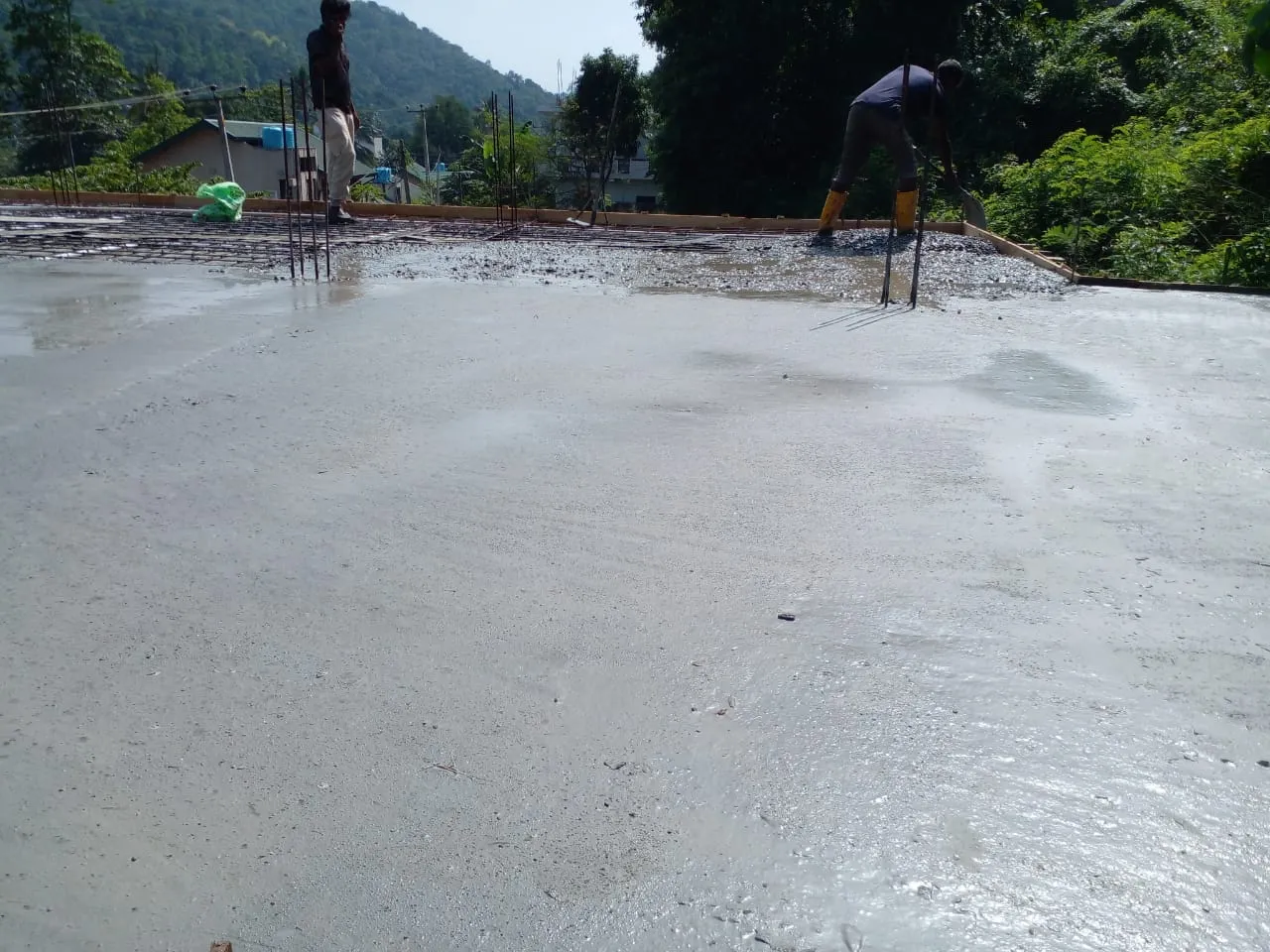
Schedule your foundation and roof slab work during the drier months (February-April or July-September). Pouring concrete during heavy rain compromises quality and causes delays. A well-planned construction timeline can save you 2-3 months on a Kandy project.
4. Get a Proper BOQ
A detailed Bill of Quantities is especially important in Kandy where hidden costs like retaining walls, additional earthwork, and premium transport charges can catch you off guard. Unicon provides free BOQ estimates that cover every aspect of your build, so there are no surprises.
5. Choose a Contractor With Hill Country Experience
Not every contractor has experience building on sloped terrain. Foundation work, drainage, and structural design on hillsides require specific expertise. Always ask to see completed projects on similar terrain before hiring a contractor.
Frequently Asked Questions About House Construction in Kandy
How much does it cost to build a house in Kandy in 2026?
House construction costs in Kandy range from Rs. 6,000-8,000 per sqft for basic finishes, Rs. 9,000-13,000 for mid-range, and Rs. 14,000-22,000+ for luxury builds. Costs are slightly higher than flat-terrain areas due to hilly terrain, retaining walls, and access challenges. A 1,500 sqft mid-range home typically costs between Rs. 1.35 Crore and Rs. 1.95 Crore.
Do I need special building permits in Kandy?
Yes. Building permits in Kandy city are issued by the Kandy Municipal Council, while surrounding areas fall under the respective Pradeshiya Sabha. The Urban Development Authority (UDA) enforces stricter regulations within the Kandy Urban Area, especially near the Temple of the Tooth and Kandy Lake heritage zone. Expect 6-10 weeks for permit processing.
What are the biggest challenges of building a house in Kandy?
The main challenges include hilly and sloped terrain requiring retaining walls and deeper foundations, narrow access roads that make material transport difficult, stricter UDA building regulations in the heritage zone, higher labour and transport costs compared to flat areas, and unpredictable weather during the monsoon season.
Which areas around Kandy does Unicon Construction serve?
Unicon Construction serves all areas within the Kandy District including Kandy city, Peradeniya, Katugastota, Kundasale, Pilimatalawa, Gampola, Kadugannawa, Digana, Teldeniya, Akurana, and surrounding villages. Our base in Matale gives us excellent access to the entire Kandy region.
Is it more expensive to build on a sloped plot in Kandy?
Yes, building on sloped land in Kandy typically adds 15-25% to foundation and site preparation costs. You may need retaining walls (Rs. 3,000-6,000 per running foot depending on height), cut-and-fill earthwork, and specialised foundation designs. However, sloped plots often offer better views and natural ventilation, making them highly desirable in the hill country.
What materials are best for building on hillside plots in Kandy?
For Kandy's hilly terrain, reinforced concrete foundations are essential. Rubble stone retaining walls work well for slopes under 2 metres, while reinforced concrete retaining walls are needed for steeper sites. Roofing should account for heavy monsoon rain - concrete flat roofs or high-quality clay tiles with proper guttering are recommended. Anti-damp treatments are also important due to the high humidity levels in the hill country.
How do I find a reliable building contractor in Kandy?
Choose a contractor with specific experience in hill country construction. Ask to see projects completed on sloped terrain similar to yours. Check for proper CIDA registration, detailed BOQ practices, and client testimonials. Unicon Construction has completed multiple projects across the Kandy District and welcomes site visits to our finished homes.
What is the best area to build a house near Kandy?
Popular residential areas near Kandy include Peradeniya (university town with good infrastructure), Kundasale (flat terrain with new developments), Katugastota (affordable and well-connected), and Digana (scenic lakeside living). Land prices vary from Rs. 500,000 per perch in outer areas to Rs. 3 million+ per perch near Kandy city centre.
We Also Serve
Helpful Guides for Your Project
Ready to Build Your Home in Kandy?
Get a free BOQ estimate and 3D house design consultation from our team
Get Free Consultation