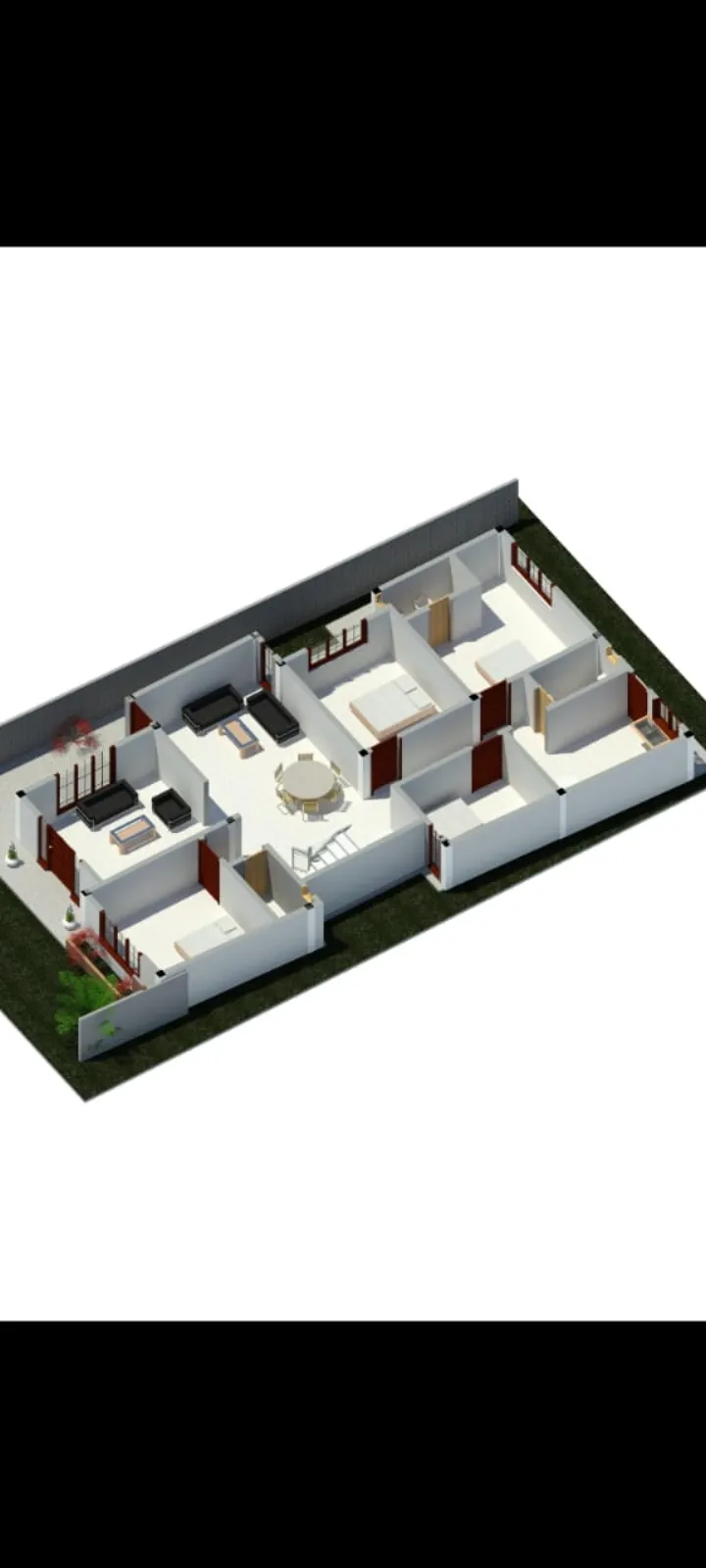
Before you lay a single brick, you need one thing first: building plan approval. Every house construction project in Sri Lanka requires a permit from your local authority. Without it, your construction is illegal and you risk fines, stop-work orders, or even demolition.
The process can feel confusing because different authorities handle approvals depending on where your land is. Some areas fall under the Pradeshiya Sabha, others under a Municipal Council, and some require additional clearance from the Urban Development Authority (UDA). This guide explains the entire process clearly so you know exactly what to do, what documents you need, and how long it takes.
Who Issues Building Plan Approval in Sri Lanka?
The authority you apply to depends on where your land is located:
| Authority | Where It Applies |
|---|---|
| Pradeshiya Sabha | Rural and semi-urban areas (most of Sri Lanka) |
| Urban Council | Smaller towns declared as urban areas |
| Municipal Council | Major cities (Colombo, Kandy, Galle, Matara, Kurunegala, etc.) |
| UDA (additional) | Areas declared as Urban Development Areas under UDA Act No. 41 of 1978 |
Important: If your land falls within a UDA-declared area, you need clearance from both your local authority AND the UDA. In Colombo city (Colombo 1-15), the UDA handles approvals directly through the Colombo Municipal Council.
Not sure which authority covers your land? Visit your nearest Pradeshiya Sabha or Divisional Secretariat office and they will tell you.
Documents Required for Building Plan Approval
Gather all of these before you visit the local authority. Missing even one document is the most common reason for delays.
Essential Documents
- Building application form — Available from your Pradeshiya Sabha or Municipal Council office (Rs. 300-500)
- Deed of the land — Certified copy proving you own the land
- Approved survey plan — Prepared by a licensed surveyor, showing exact boundaries, dimensions, and road frontage (4 copies required)
- Architectural drawings — Floor plans, elevations, sections, and site plan prepared by a qualified architect or draughtsman (4 copies, signed by architect and owner)
- Structural drawings — Foundation, beam, column, and slab details prepared by a chartered structural engineer (required for two-storey and above)
- Location map — Showing the site in relation to nearby roads and landmarks (1:4000 scale minimum)
- National Identity Card — Photocopy of the landowner's NIC
Additional Documents (If Applicable)
- Power of Attorney — If someone else is applying on behalf of the owner
- Water and drainage clearance — From the National Water Supply and Drainage Board (NWSDB) if connecting to municipal water or sewer
- Street line and building line certificate — Required in Municipal Council areas, especially Colombo
- Environmental clearance — For construction near water bodies, forests, or protected areas
- Coast Conservation clearance — If building within 100-200m of the coastline
Step-by-Step Approval Process
Here is the typical process from start to finish:
Step 1: Get Your Land Documents Ready
Make sure your deed is registered at the Land Registry and your survey plan is up to date. If the survey plan is old, you may need a new one. The survey plan must clearly show boundaries, road access, and setback lines.
Step 2: Hire an Architect or Draughtsman
Your building plans must be prepared by a qualified professional. For a simple single-storey house, a licensed draughtsman can prepare the drawings. For two-storey houses or anything complex, you need a chartered architect and structural engineer. The drawings must include floor plans, elevations, cross-sections, and a site plan showing the building position relative to boundaries.
Step 3: Check Setback Requirements
Before finalizing your plans, make sure your building complies with setback rules. These are the minimum distances your house must be from property boundaries and roads:
| Setback From | Minimum Distance |
|---|---|
| Local street (centre line) | 6.0 metres |
| Secondary street (centre line) | 9.0 metres |
| Principal street (centre line) | 15.0 metres |
| Side boundary | 1.5 metres (varies by area) |
| Rear boundary | 3.0 metres minimum |
Setback requirements can vary by local authority. Always confirm with your Pradeshiya Sabha or Municipal Council before finalizing drawings. Getting this wrong is the number one reason building plans get rejected.
Step 4: Submit Your Application
Take your completed application form, all documents, and 4 copies of the building plans to your local authority office. Pay the processing fee (calculated based on the total square footage of your construction). You will receive a file number and receipt.
Step 5: Site Inspection
A technical officer from the local authority will visit your site to verify the survey plan, check road access, confirm setback compliance, and assess the general suitability of the land for construction. The Public Health Inspector (PHI) may also inspect the site for drainage and sanitation requirements.
Step 6: Planning Committee Review
The technical officer submits their report to the Planning Committee. The committee reviews your application and either approves it, requests modifications, or rejects it. If modifications are needed, you will be asked to revise your plans and resubmit.
Step 7: Receive Your Approved Plans
Once approved, you receive your stamped and signed building plans. Keep these on site at all times during construction. Inspectors can visit your site at any point to verify you are building according to the approved plans.
How Long Does Building Approval Take?
| Authority | Typical Timeline |
|---|---|
| Pradeshiya Sabha | 2-6 weeks |
| Urban Council | 3-6 weeks |
| Municipal Council | 4-8 weeks |
| UDA clearance (additional) | 7-12 working days |
These timelines assume your documents are complete and your plans comply with all regulations. Incomplete applications or setback violations can add weeks or even months to the process.
Building Approval Fees
Fees vary by local authority, but here is what you can expect for a typical house:
- Application form: Rs. 300 - 500
- Processing fee: Rs. 5 - 25 per sqft (varies by authority)
- Total for a 1,500 sqft house: Approximately Rs. 5,000 - 25,000
Municipal Councils in larger cities tend to charge more than rural Pradeshiya Sabhas. Contact your local authority for the exact fee schedule.
Common Reasons for Rejection
Building plans get rejected more often than you think. Here are the most common reasons and how to avoid them:
- Setback violations — Building too close to the road or property boundary. Always confirm setback requirements before drawing plans.
- Incomplete documents — Missing survey plan copies, unsigned drawings, or expired deeds. Use the checklist above to make sure everything is ready.
- Unauthorized architect or draughtsman — Plans must be prepared by a licensed professional. Unsigned or improperly prepared drawings will be rejected.
- Building on unsuitable land — Land filled with organic matter, flood-prone areas, or land without proper road access may be rejected.
- Non-compliance with UDA regulations — If your land is in a UDA-declared area, your plans must comply with additional regulations including height limits, density rules, and road reservations.
- No proper drainage plan — Your plans must show how rainwater and wastewater will be managed. This is especially important in areas without municipal sewer connections.
Tips for Faster Approval
- Hire a professional from your area. Local architects and draughtsmen know the specific requirements of your Pradeshiya Sabha or Municipal Council. They know which officers to speak with and what the committee looks for.
- Submit complete documents the first time. Every missing document means another trip and another round of waiting. Use the checklist in this article and double-check everything before submitting.
- Confirm setback requirements before drawing plans. Visit your local authority and ask for the exact setback requirements for your plot. This avoids the most common rejection reason.
- Get your survey plan updated. If your survey plan is more than 5 years old, get a fresh one. Old survey plans with outdated road lines are frequently questioned.
- Work with a construction company that handles approvals. Companies like Unicon Construction assist clients with the entire approval process — from preparing drawings to submitting applications and following up with the local authority.
What Happens After Approval?
Once you have your approved building plans, you can begin construction. But there are a few important things to keep in mind:
- Keep approved plans on site at all times. Inspectors can visit without notice.
- Build exactly according to the approved plans. Any changes — even small ones like moving a window or adding a room — require a revised application.
- Request inspections at key stages. Most local authorities require inspections at foundation level, lintel level, and roof level before you can proceed.
- Apply for a Certificate of Conformity (COC) after construction is complete. This certificate confirms your building was constructed according to the approved plans. You need this to connect to municipal water and electricity, and for any future property sale or transfer.
For a complete overview of what happens after approval, read our step-by-step house construction guide.
Building Approval in Key Areas
Here is a quick reference for building approvals in the areas Unicon Construction serves:
| Area | Authority | UDA Required? |
|---|---|---|
| Matale | Matale Pradeshiya Sabha / Urban Council | Parts of Matale town |
| Kandy | Kandy Municipal Council | Yes (Kandy city) |
| Colombo | Colombo Municipal Council | Yes (UDA handles directly) |
| Kurunegala | Kurunegala Municipal Council / Pradeshiya Sabha | Parts of Kurunegala town |
| Dambulla | Dambulla Pradeshiya Sabha | No (most areas) |
| Akurana | Akurana Pradeshiya Sabha | No |
| Mawanella | Mawanella Pradeshiya Sabha | No |
| Galhinna | Matale Pradeshiya Sabha | No |
Not sure about your specific area? Send us a WhatsApp message and we will help you identify the correct authority.
Share This Article
Frequently Asked Questions
Do I need a building permit to build a house in Sri Lanka?
Yes. Every construction project in Sri Lanka requires a building permit from your local authority — either the Pradeshiya Sabha, Urban Council, or Municipal Council. Building without a permit is illegal and can result in demolition orders, fines, and inability to obtain a Certificate of Conformity.
How long does building plan approval take in Sri Lanka?
Pradeshiya Sabha approvals typically take 2-6 weeks. Municipal Councils take 4-8 weeks. UDA clearance for areas under their jurisdiction takes 7-12 working days. Delays usually happen because of incomplete documents or setback violations.
How much does building plan approval cost in Sri Lanka?
Fees vary by local authority and building size. Application forms cost around Rs. 300-500. Processing fees are typically calculated per square foot of construction, ranging from Rs. 5-25 per sqft. A typical house approval costs between Rs. 5,000 and Rs. 25,000 in total fees.
What is the difference between UDA approval and Pradeshiya Sabha approval?
The Pradeshiya Sabha or Municipal Council is your primary approval authority. UDA approval is additionally required if your land falls within a declared Urban Development Area. In Colombo, the UDA handles approvals directly. Outside Colombo, you apply to your local council, and they coordinate with UDA if needed.
Can I start construction before getting building approval?
No. Starting construction without an approved building permit is illegal in Sri Lanka. If caught, you may face stop-work orders, fines, or be required to demolish the structure. Always wait for your approved plans before beginning any construction work.
Need Help With Building Approval?
Unicon Construction handles the entire approval process for you — from drawings to submission
WhatsApp Us Now