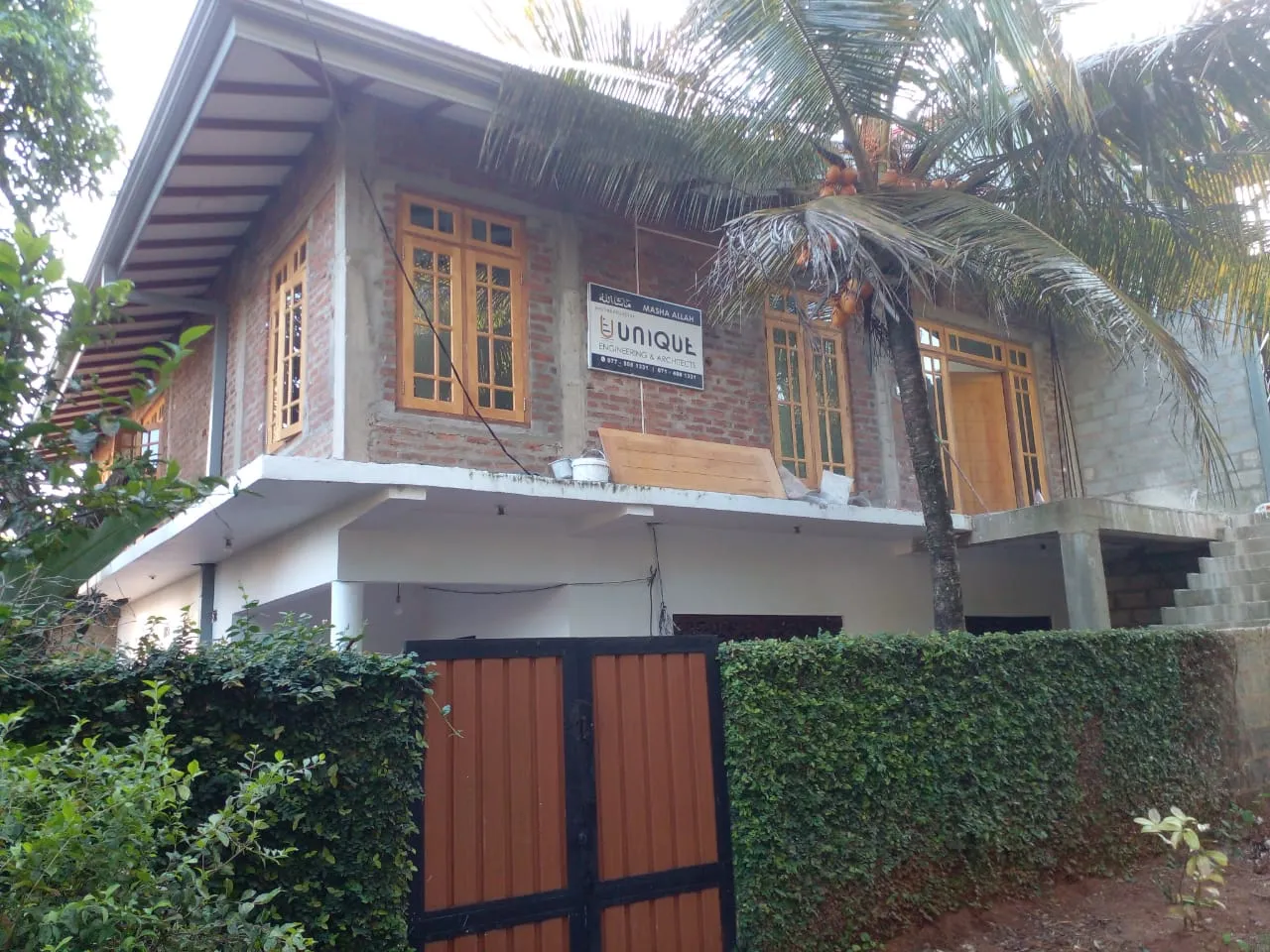
Every year, thousands of Sri Lankans working in the Middle East, Korea, Japan, Italy, the UK, and other countries send money home with one dream in mind: building their own house back in Sri Lanka. For many, it is the entire reason they left home in the first place. Years of hard work in a foreign country, living in shared rooms, missing family -- all for the day they can finally say "this is my house."
But here is the painful reality. Too many overseas Sri Lankans have lost their hard-earned money to bad contractors, dishonest middlemen, and construction projects that went wrong because they could not be there to watch over things. We have heard these stories hundreds of times. Someone sends 20 or 30 lakhs, the contractor starts strong for a few weeks, and then things slow down. Materials go missing. Costs keep rising. And the person working abroad has no way to verify what is actually happening on the ground.
This guide is written for you -- the Sri Lankan living abroad who wants to build a house back home without getting cheated, without overspending, and without the stress of not knowing what is going on. We are going to cover every step of the process, every red flag to watch for, and exactly how to protect yourself and your money.
Why So Many Overseas Sri Lankans Face Construction Problems
Before we talk about solutions, you need to understand why things go wrong so often. When you know the common problems, you can avoid them. Here are the issues we see over and over again:
Contractors Who Take Money and Disappear
This is the most common complaint. A contractor agrees to build your house, takes a large advance payment, starts some basic work, and then either disappears completely or slows down to a crawl. They know you are thousands of kilometers away and cannot walk up to the site to demand answers. Some contractors even take advances from multiple clients at the same time and juggle between projects, doing a little bit on each one and finishing none on time.
Using Substandard Materials
When the owner is not physically present, some contractors save money by using lower quality materials than what was agreed upon. They might use a cheaper grade of cement, thinner steel bars, low-quality sand, or cheaper tiles that look similar to what was promised. You will not see this happening on WhatsApp photos. The walls will look the same whether they used Grade A cement or the cheapest brand available. But in five years, the cracks will tell the story.
Budget Overruns With No Accountability
This is the classic "sir, prices went up" problem. You agree on a budget, construction starts, and halfway through you start getting calls asking for more money. Cement prices went up. Steel prices went up. Sand is hard to find. Labor costs increased. Some of these can be genuine -- material prices do fluctuate in Sri Lanka. But without a proper BOQ (Bill of Quantities), you have no way to verify if the original quote was realistic in the first place, or if the contractor is simply charging you more because they can.
Relying on Family Members Who Lack Construction Knowledge
Many overseas Sri Lankans ask a brother, parent, or cousin to supervise the construction on their behalf. This is understandable -- you trust your family. But unless that family member has actual construction experience, they cannot tell the difference between good work and bad work. They cannot check if the foundation depth is correct, if the steel reinforcement spacing is right, or if the concrete mix ratio is proper. They might report "everything looks fine" simply because they do not know what to look for.
Verbal Agreements Instead of Documented Plans
In Sri Lanka, many construction deals happen on trust and a handshake. "Don't worry, I'll take care of everything." There is no written contract, no documented BOQ, no agreed payment schedule. When things go wrong -- and they often do -- there is nothing in writing to hold anyone accountable. The contractor says one thing, you remember another, and there is no document to settle the dispute.
No Proper Building Plans or Permits
Some people start construction without approved building plans from the local Pradeshiya Sabha or Municipal Council. They want to save the cost and time of the approval process. This is a serious mistake. Without proper permits, your building can be declared unauthorized. In the worst case, authorities can order it to be demolished. Even if they do not demolish it, you will face problems when you try to get a valuation report, sell the property, or connect utilities.
Communication Breakdown Due to Time Zones
If you are working in the Middle East, you are a few hours ahead of Sri Lanka. If you are in Korea or Japan, the time difference is even larger. In Europe, your working hours might be completely opposite to Sri Lankan daytime. This makes regular communication difficult. Your contractor might call during your work hours. You try to call back in the evening, but they are done for the day. Days pass without updates, and frustration builds on both sides.
Important: These problems are not rare exceptions. They happen to a large number of overseas Sri Lankans every year. The good news is that every single one of these problems can be avoided with the right approach. That is what the rest of this guide covers.
How to Protect Yourself -- Step by Step Guide
Here is a practical, step-by-step process that will protect your money and give you peace of mind while building from abroad. Follow each step carefully.
Step 1: Get a Proper 3D Design Before Anything Else
Do not start construction from a rough pencil sketch on a piece of paper. Before a single brick is laid, you should have a complete 3D design of your house. A 3D design lets you see every room from every angle. You can see exactly where the kitchen is, how the staircase flows, what the front elevation looks like, how much natural light each room gets, and whether the layout actually works for your family.
The biggest advantage of a 3D design is that you can make changes on screen, not on site. Moving a window on a computer costs nothing. Moving a window after the wall is built costs real money -- sometimes lakhs. When you are abroad, you cannot visit the site to point at things and say "no, I wanted it here, not there." A 3D design eliminates that problem completely. You approve everything digitally before construction begins.
Read our detailed guide on why a 3D house design before construction saves you money and stress.
Step 2: Demand a Detailed BOQ (Bill of Quantities)
This is your single most important financial protection. A BOQ is a detailed document that lists every material, every quantity, and every cost needed for your house construction. It tells you exactly how many bags of cement, how many steel bars, how many square feet of tiles, and how many man-days of labor your project needs.
Never accept a lump-sum quote like "sir, your house will cost 1.5 crore." Always ask: "1.5 crore for what exactly?" A proper BOQ answers that question in complete detail. It is the difference between handing someone a blank check and knowing exactly where every rupee goes.
With a BOQ, you can also compare quotes from different contractors fairly. When two contractors quote for the exact same list of materials and work, you can see who is more competitive. Without a BOQ, every contractor quotes differently and you end up comparing apples to oranges.
For a detailed understanding of construction costs, read our complete guide to house building costs in Sri Lanka for 2026.
Step 3: Verify Building Permits and Council Approvals
Your contractor should handle the entire building permit process with your local Pradeshiya Sabha or Municipal Council. This includes submitting building plans, getting structural approvals, and obtaining the construction permit. Do not skip this step to save money or time.
Ask your contractor to send you scanned copies of the approved building plans with the council stamp. An unpermitted build is a ticking time bomb. Even if nobody notices during construction, you will face problems later when you need a valuation, want to sell the property, or try to connect three-phase electricity. In serious cases, the local authority has the legal right to issue a demolition order.
Step 4: Agree on a Payment Schedule Tied to Milestones
Never pay 100% of the construction cost upfront. This is the golden rule. Instead, set up a payment schedule that ties each payment to a completed milestone. You pay only after each stage is completed and verified.
A typical milestone-based payment schedule looks like this:
| Construction Milestone | Payment (%) |
|---|---|
| Advance (after signing agreement) | 10-15% |
| Foundation completed | 15-20% |
| Walls up to lintel level | 15-20% |
| Roof slab / roof structure completed | 15-20% |
| Plastering and electrical/plumbing rough work | 10-15% |
| Tiling, painting, and finishing | 10-15% |
| Final handover (after full inspection) | 5-10% |
This structure protects you because the contractor always has an incentive to complete the next stage to receive the next payment. If they slow down or disappear, you have not lost the full amount. Always keep at least 5-10% as a retention amount that you pay only after final inspection and handover.
Step 5: Insist on Regular Progress Updates
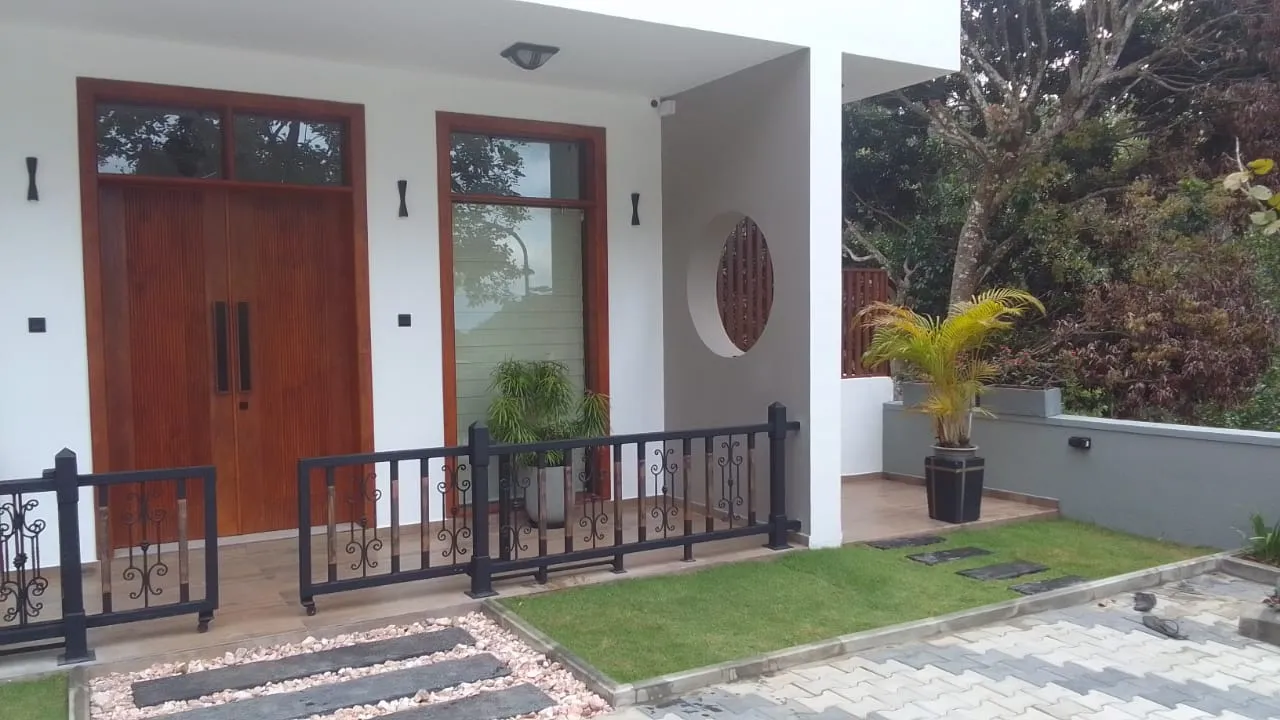
Make it a condition of your agreement that the contractor provides regular updates via WhatsApp -- photos and videos at every construction stage. This is non-negotiable. If a contractor is not willing to send you photos and videos of the work, that tells you something.
Here is what you should expect:
- WhatsApp photos of every stage -- foundation excavation, steel placement, concrete pouring, wall construction, roof work, plastering, tiling, and painting
- Video calls at least once a week or at key milestones so you can see the site in real time
- Dated photos -- most smartphone photos automatically include metadata showing when and where they were taken
- Material delivery photos -- photos of cement bags, steel bundles, and other materials as they arrive on site, so you can verify brands and quantities
A good contractor will send you these updates without being asked. If you have to chase them for every photo, that is a warning sign.
Step 6: Visit if Possible at Key Milestones
If your work schedule and visa allow it, try to visit Sri Lanka at least once or twice during the construction. The best times to visit are during the foundation stage and the roof slab stage, because these are the structural elements that are impossible (or extremely expensive) to fix later.
If you absolutely cannot visit, have a trusted person inspect the site at these key stages. This could be a family member who has some construction knowledge, a friend who is an engineer, or even a hired independent inspector. The small cost of an independent inspection is nothing compared to the cost of fixing structural problems later.
For a complete understanding of what happens at each construction stage, read our guide on the house construction process in Sri Lanka from start to finish.
Step 7: Get Everything in Writing
Every single agreement should be documented in writing. This includes the scope of work, timeline, payment schedule, material specifications, warranty terms, and what happens if either party wants to make changes. A written agreement protects both you and the contractor.
Keep a record of all receipts, bank transfers, WhatsApp conversations, photos, and any other communication. If a dispute arises later, these documents are your evidence. In Sri Lanka, a written and signed agreement has legal standing, while a verbal promise does not.
Pro Tip: Create a shared Google Drive or WhatsApp group dedicated to your construction project. Save all photos, documents, receipts, and communication in one place. This makes it easy to review progress and keep everything organized.
How Much Does It Cost to Build a House in Sri Lanka in 2026?
One of the first questions every overseas Sri Lankan asks is about cost. Here is a quick overview of construction costs per square foot in 2026:
| Finish Level | Cost Per Sqft (Rs.) | 1,500 Sqft House Total |
|---|---|---|
| Basic Finish | Rs. 5,500 - 7,500 | Rs. 82.5L - 1.12 Crore |
| Mid-Range Finish | Rs. 8,000 - 12,000 | Rs. 1.2 - 1.8 Crore |
| Luxury Finish | Rs. 13,000 - 20,000+ | Rs. 1.95 - 3+ Crore |
These are average figures for 2026. The actual cost depends on your location, design complexity, material choices, and soil condition. Costs can vary between cities -- building in Kandy may cost slightly more than building in Matale or Kurunegala due to differences in transport and labor rates.
For a complete, detailed breakdown of every cost category, read our full 2026 house building cost guide.
For overseas clients: When budgeting, always add a 10-15% buffer for unexpected costs. Material prices can fluctuate, and there are always small extras that come up during construction. It is better to have money left over than to run short halfway through the project.
Red Flags to Watch For When Choosing a Contractor from Abroad
Choosing the right contractor is the single most important decision you will make. Here are the red flags that should make you walk away immediately:
- No physical office or registered business: A legitimate construction company has a real address, a business registration, and a track record. If someone is operating from their phone with no office, that is a risk you do not need to take.
- Refuses to provide a detailed BOQ: If a contractor says "trust me, it will cost about this much" without providing a line-by-line breakdown, they are either hiding something or they do not have the expertise to prepare one. Either way, walk away.
- Demands a large upfront payment: Asking for 50% or more before any work starts is a major red flag. A reputable contractor has enough working capital to start with a reasonable advance of 10-15%.
- Cannot show completed projects: Any established builder should be able to show you photos or videos of houses they have completed. If they have nothing to show, they are either brand new or their past work was not good enough to share.
- Dismisses 3D design as unnecessary: If a contractor says "3D design is a waste of time and money, we will just build" -- that tells you they do not care about getting your vision right. They want to do things their way, not yours.
- Only accepts cash with no receipts: Professional construction companies issue receipts and accept bank transfers. Cash-only operations leave you with zero paper trail and zero protection.
- No mention of building permits or council approvals: If a contractor is ready to start building without even discussing permits, they are either cutting corners or they do not know the legal requirements. Both are dangerous.
- Communication goes quiet after payment: The biggest warning sign of all. If a contractor is responsive and enthusiastic before you pay but becomes hard to reach after receiving money, you have a problem.
If you recognize any of these signs, stop and reconsider. It is always better to spend more time finding the right contractor than to rush into a decision you will regret. Your hard-earned money deserves a builder who respects it.
What Documents Do You Need to Build a House from Abroad?
Before construction can begin, you need to have the following documents in order:
- Land deed or title report: This proves you own the land. If the land is in a family member's name, you may need a transfer or a clear agreement.
- Survey plan: A licensed surveyor's plan showing the exact boundaries, dimensions, and area of your land.
- Approved building plans: Architectural drawings approved by the local Pradeshiya Sabha or Municipal Council. This includes the floor plan, elevations, sections, and structural drawings.
- BOQ (Bill of Quantities): The detailed cost breakdown prepared by your contractor or a quantity surveyor.
- Written construction agreement: A signed contract between you and the contractor covering scope, timeline, payment schedule, material specifications, and warranty.
- Power of Attorney (if needed): If someone else will be signing documents and handling approvals on your behalf in Sri Lanka, you will need a Power of Attorney. This can be prepared at the Sri Lankan embassy or consulate in the country where you live.
Getting these documents sorted before construction begins is crucial. It protects you legally and ensures there are no delays once work starts.
Choosing the Right House Design for Your Budget
If you are building from abroad, you want a design that is practical, within budget, and does not require constant on-site decisions. Here are some considerations:
- Simple layouts save money: A rectangular or square floor plan costs significantly less than a design with many corners, angles, and split levels. Every extra corner means extra formwork, extra materials, and extra labor.
- Two-storey houses maximize land use: If your plot is small, building upward gives you more living space without needing a larger plot. Check out our guide on modern two-storey house designs for Sri Lanka.
- Plan for the future: Even if your budget allows only a basic finish now, design the structure to support future upgrades. You can always add better tiles, kitchen fittings, or a garden later.
- Consider small-plot-friendly designs: If your land is compact, read our article on the best house plan layouts for small plots in Sri Lanka for practical ideas.
How to Handle Payments from Abroad
Managing payments from overseas requires careful planning. Here are some practical tips:
- Use bank transfers, not cash: Always transfer money through your bank. This creates a documented trail of every payment. Avoid sending cash through informal channels.
- Set up a dedicated bank account: Consider opening a separate Sri Lankan bank account specifically for your construction project. This makes it easy to track every payment and receipt.
- Transfer in installments, not lump sums: Tied to your milestone-based payment schedule, send money in installments as each stage is completed and verified. Never send the full amount at once.
- Keep exchange rate fluctuations in mind: The Sri Lankan rupee value changes against the dollar, riyal, won, and euro. When the exchange rate is favorable, consider transferring a larger amount. But always keep enough for your living expenses abroad.
- Get receipts for every payment: Your contractor should provide a signed receipt for every payment received. Keep these along with your bank transfer confirmations.
Why Overseas Clients Choose Unicon Construction
At Unicon Construction, we understand the challenges overseas Sri Lankans face because we have worked with many clients who are living abroad. Our entire process is designed to give you transparency and control, even when you are thousands of kilometers away.
- Real office, real team: We are based in Matale at No 26D, Molandapitiya Road, with a full-time team. We are not a one-person operation working from a phone.
- We serve 7+ cities: We take on projects in Matale, Kandy, Kurunegala, Dambulla, Akurana, Mawanella, and Galhinna.
- Free 3D design: We provide a complete 3D visualization of your house before construction begins. You approve every detail digitally -- no surprises on site.
- Transparent BOQ: Every rupee is accounted for in a detailed BOQ. You know exactly what you are paying for before the first brick is laid.
- WhatsApp progress updates: We send photos and videos at every construction stage. You see exactly what is happening on your site, whenever you want.
- Milestone-based payments: You pay in stages, tied to verified milestones. No large upfront payments demanded.
- Council approval handling: We manage the entire permit and approval process with the local authorities, so you do not have to worry about paperwork.
If you are living abroad and planning to build in Sri Lanka, visit our dedicated page for overseas clients to learn more about how we work with expatriate families. You can also browse our project gallery to see homes we have completed.
Share This Article
Frequently Asked Questions
Is it safe to build a house in Sri Lanka while living abroad?
Yes, it is safe if you take the right precautions. Choose a registered construction company with a physical office, demand a detailed BOQ, use milestone-based payments, and insist on regular WhatsApp photo and video updates. Many overseas Sri Lankans successfully build homes every year by following these steps.
How can I supervise construction from overseas?
You can supervise remotely through WhatsApp photo and video updates at every construction stage, scheduled video calls to see the site live, milestone-based payment schedules that tie payments to verified progress, and having a trusted local person inspect the site at key stages like foundation, roof slab, and finishing.
What documents do I need to build a house in Sri Lanka from abroad?
You need the land deed or title report proving ownership, a survey plan, approved building plans from your Pradeshiya Sabha or Municipal Council, a BOQ (Bill of Quantities), and a written construction agreement with your contractor. If someone else is managing the project on your behalf, you will also need a Power of Attorney.
How long does it take to build a house in Sri Lanka?
A typical single-storey house takes 4-6 months and a two-storey house takes 8-12 months. This depends on the design complexity, weather, material availability, and contractor efficiency. Planning and permit approval can add another 1-3 months before construction begins.
Can I get a home loan for construction while living abroad?
Some Sri Lankan banks offer housing loans to non-resident Sri Lankans, but the process and requirements vary by bank. You will typically need proof of income from abroad, the land deed, approved building plans, and a BOQ. Contact banks like Bank of Ceylon, People's Bank, or commercial banks directly to check their current NRE (Non-Resident External) housing loan schemes.
Planning to Build from Abroad?
Talk to Unicon Construction today. Free consultation, 3D design, and transparent BOQ -- all managed remotely.
Chat With Us on WhatsApp